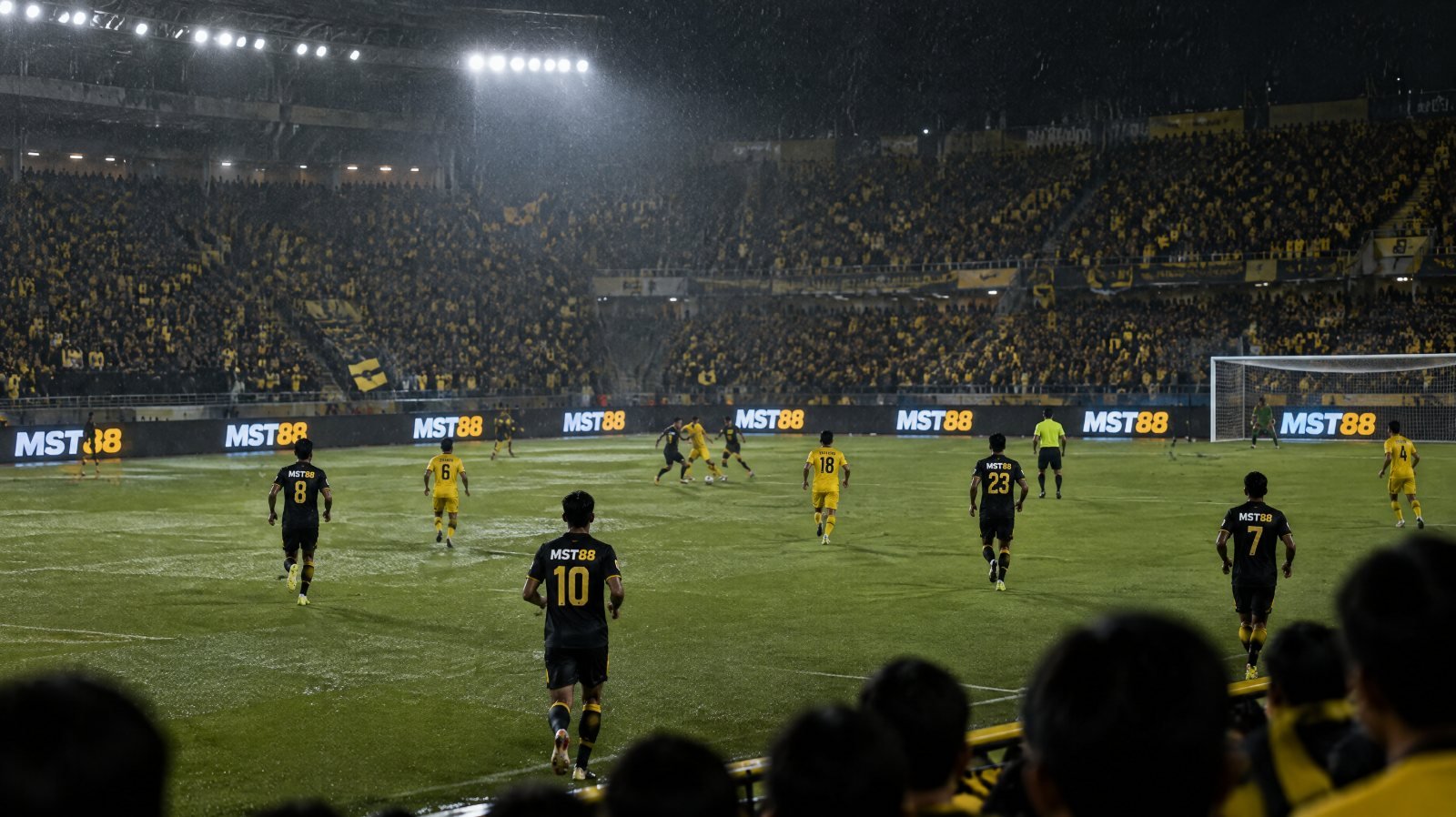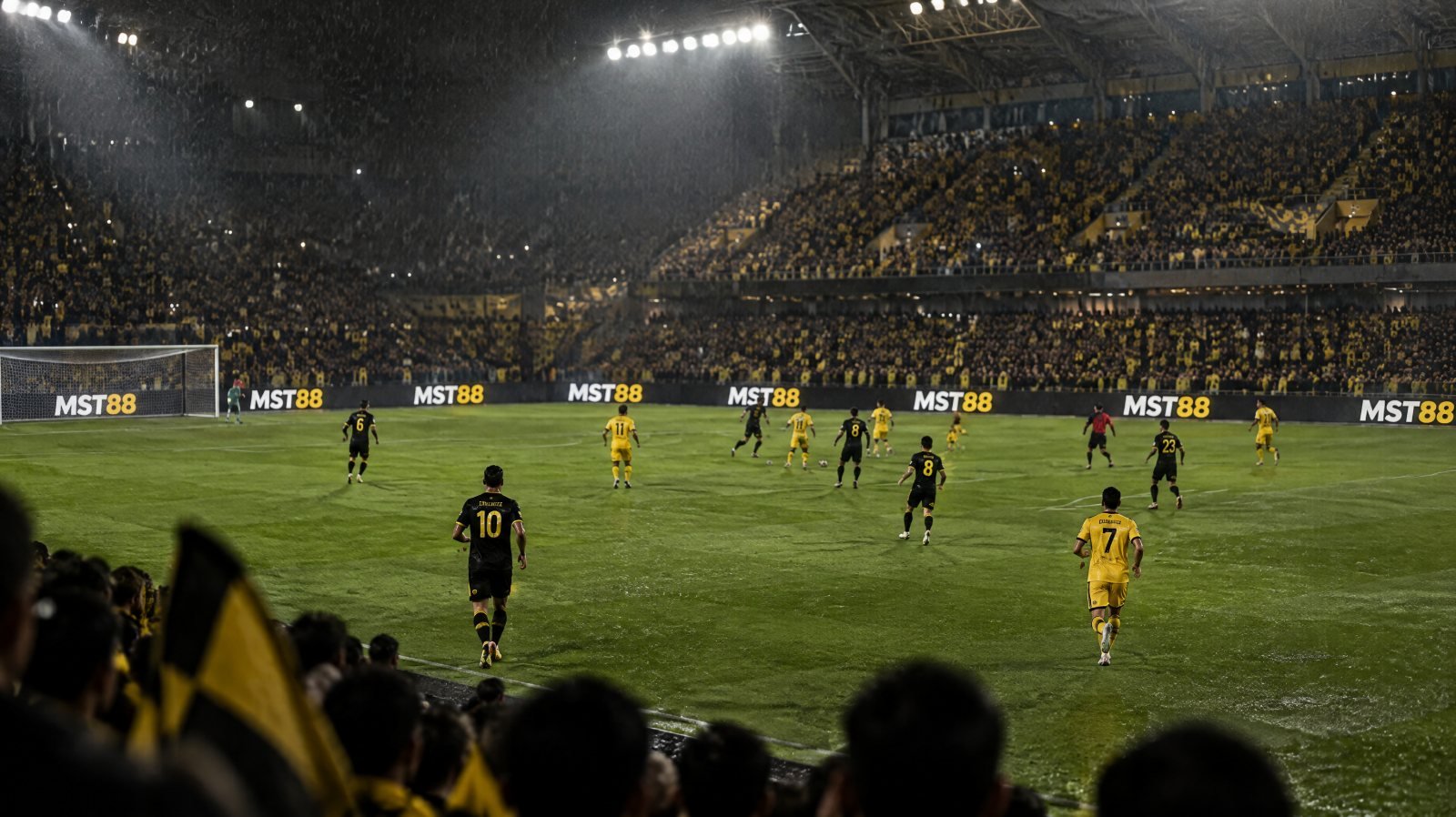
Football Shirt Sponsorship Explained: Front, Sleeve and Training
A breakdown of every commercial position on a football kit, how Malaysia Super League clubs sell them, and the rules and mistakes that shape shirt deals.
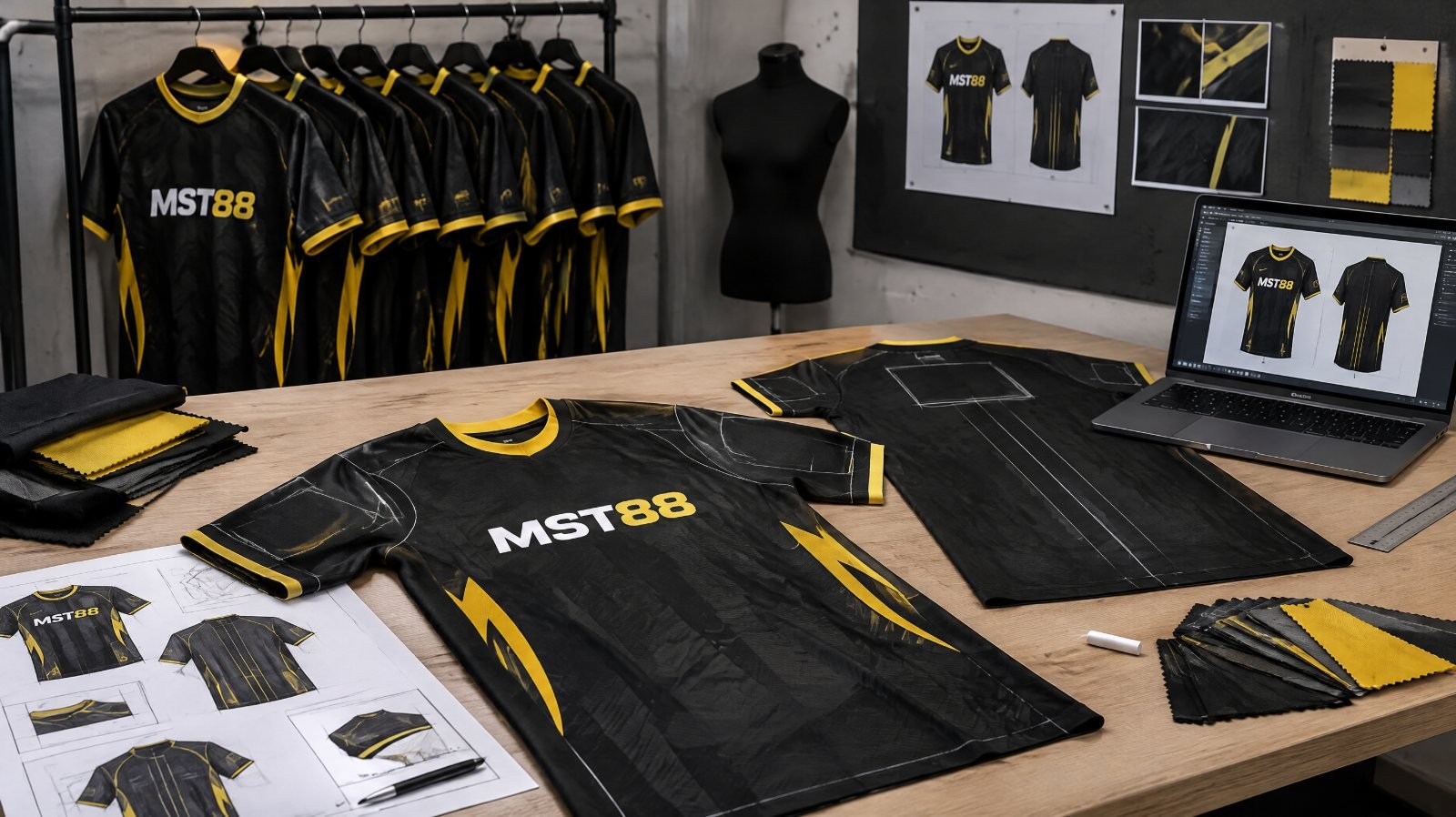
Football shirt sponsorship is the sale of advertising and branding positions on a team's playing and training kit – the front of the shirt, the sleeve, the back, the shorts – along with the separate agreement with the company that manufactures the kit. In the Malaysia Super League, as in the English Premier League and almost every professional competition, these positions are among a club's most valuable commercial assets, because the shirt appears in every match broadcast, photograph, highlight clip and replica sold to fans. This explainer breaks down how each type of football shirt sponsorship works, who typically buys it in Malaysia, what rules apply, and how clubs can sell it more effectively.
We look at the Super League and the national team, and draw comparisons with leagues abroad that Malaysian fans follow closely. Where deals or figures have been reported, we say who reported them; where details are undisclosed, we say so.
The anatomy of a football shirt
A modern football kit carries several distinct commercial positions. Each can be sold separately, and each has a different value depending on its size and visibility.
| Position | What it is | Typical buyer | Visibility |
|---|---|---|---|
| Kit manufacturer logo | The brand that designs, makes and often sells the kit | Sportswear companies | High – on shirt, shorts and socks |
| Front of shirt (principal sponsor) | The largest logo, across the chest | Corporations, state agencies, consumer brands | Highest – the dominant image in photographs |
| Sleeve | A logo on one sleeve, where league rules permit | Second-tier partners | Medium – visible in close-ups and celebrations |
| Back of shirt | Usually above or below the player's number | Secondary partners | Medium – seen from behind and in wide shots |
| Lower front or hem | A smaller logo near the bottom of the shirt | Category partners | Lower |
| Shorts | Logo on the front or back of shorts | Secondary partners | Lower |
| Training kit | Logos on training tops, warm-up wear and travel clothing | Separate training-wear partners | Pre-match, training content, press conferences |
Not every competition allows every position. Leagues and federations set rules on the number, size and placement of logos. A club cannot sell a position its competition does not permit, so the first step in any shirt sponsorship programme is reading the regulations.
Kit manufacturer deals versus shirt sponsor deals
Fans often use "kit sponsor" to mean two different things. Separating them is essential.
The kit manufacturer
A kit manufacturer – sometimes called the technical partner or apparel partner – designs and produces the team's playing, training and travel wear. Its logo appears on the kit, but the commercial relationship is mostly about product: the manufacturer supplies kit, often pays a fee, and earns money from selling replicas to fans. Depending on the agreement, the club may receive a share of merchandise revenue.
Malaysian examples illustrate how these relationships work over time:
- The national team. Malay Mail reported that Nike was the official apparel and jersey partner of the Football Association of Malaysia's national team for 18 years, from January 2007 to December 2024, and that Puma became the Harimau Malaya's official apparel partner from 1 January 2025. The value and length of the Puma agreement were not disclosed in that report.
- Johor Darul Ta'zim. JDT has worked with Nike as kit manufacturer. The Regent of Johor's official website reported that on 17 November 2025 he received a Nike delegation to discuss renewing Nike's sponsorship of the club's official kit; financial terms were not disclosed. Footy Headlines reported in August 2026 that JDT's 2026/27 home and away kits had been created with Nike.
- Selangor FC. Selangor announced in July 2026 that Adidas would return as the club's official kit manufacturer from the 2026/27 season, the club's third stint with the brand, replacing Joma, which had supplied the kits from 2019 until the end of the 2025/26 season.
How manufacturer deals are typically structured
Kit manufacturer agreements are rarely published in Malaysia, but they generally share several components. The manufacturer agrees to supply a set number of kits – playing, goalkeeper, training and travel wear – for the first team and often for youth and women's sides. It may pay an annual fee, which tends to rise for clubs with large fan bases or regular continental football. Replica shirts are produced and sold through the manufacturer's retail channels, the club's own shop or both, with the commercial split defined in the contract. The club usually gains input into designs, while the manufacturer controls production schedules, which means sponsor logos for the following season must be confirmed months in advance. Termination clauses deal with late delivery, quality problems and changes in the club's status. Because replica sales depend on design appeal, both sides benefit from involving fans, for example by drawing on club history or local culture in kit designs.
The shirt sponsor
A shirt sponsor buys a logo position – usually the front of the shirt – but has nothing to do with making it. The sponsor might be a bank, a telecoms company, a developer, a state investment agency or a consumer brand. Its benefits come from visibility and association, not from product sales.
Why the distinction matters
The two deals are negotiated separately, often by different people, and have different value drivers. A manufacturer cares about replica sales and the club's brand image; a front-of-shirt sponsor cares about broadcast exposure, photographs and fan sentiment. A club that confuses the two can end up underselling one or both.
Front-of-shirt deals in the Malaysia Super League
The front of the shirt is the most valuable position on any kit. In the Super League, it has historically attracted a distinctive mix of buyers.
Who sponsors Super League shirts
The kit table for the 2024–25 Super League season compiled on Wikipedia shows the variety. State-linked agencies and tourism or development campaigns featured prominently – for example, Visit Kelantan 2024 on Kelantan Darul Naim's shirts, Penang2030 on Penang's, and Invest Pahang on Sri Pahang's. Private companies were also present: Press Metal on Kuching City, XOX on Perak and redONE mobile on PDRM. Selangor carried PKNS, the Selangor state development corporation, among its main sponsors. Sponsors change from season to season, so these examples illustrate the pattern rather than the current line-up.
Why state agencies are common buyers
Many Malaysian clubs have historic ties to state football associations and state governments. State agencies and campaigns use club shirts to promote tourism, investment and policy programmes to local audiences. This provides reliable funding, but it can also make clubs dependent on public budgets that change with political and economic conditions. Diversifying towards private commercial partners has therefore been a recurring theme in discussions about the league's sustainability.
Multiple main sponsors
Some Super League clubs split the front of the shirt between two or more partners, or rotate sponsors across home, away and cup kits. This can increase total revenue but dilutes the value of each position. Major clubs in Europe typically sell the chest to a single partner precisely because exclusivity commands a higher fee.
What front-of-shirt sponsors receive
- The logo on the chest of every playing shirt, including replicas sold to fans (subject to any restrictions on children's kits under the club's or sponsor's own policies).
- Branding on media backdrops, club websites and social channels.
- Match tickets and hospitality.
- Player appearances for promotional campaigns.
- Rights to use the club's name and logo in the sponsor's own advertising.
Activating a front-of-shirt partnership
The best shirt sponsors do more than wait for photographs. Common activation ideas include co-branded kit launches with players and fans, match-day promotions in the stadium, community clinics featuring players in sponsor-branded kit, competitions to win signed match-worn shirts, and digital content series that tie the sponsor's product to the team's season. For a state tourism or investment campaign, activation might involve featuring local destinations in club videos or hosting visiting delegations at matches. Whatever the format, activation turns passive exposure into a reason for fans to engage with the sponsor.
Sleeve, back and secondary positions
Below the principal sponsor, clubs sell a range of smaller positions. These allow more companies to be involved and create a ladder of partnership levels.
Sleeve sponsorship
Sleeve sponsorship became a significant revenue line in Europe after the Premier League allowed it from the 2017/18 season. According to the Premier League, sponsors may appear only on the left sleeve, replacing the league badge there, while the badge stays on the right sleeve. Early examples announced by the league included Alliance Tyres with Chelsea, Siam Commercial Bank with Leicester City, Western Union with Liverpool and Nexen Tire with Manchester City. The innovation showed how a previously unused position could be turned into a separate deal.
In Malaysia, clubs have long carried logos on sleeves, backs and shoulders, and the kit tables for recent Super League seasons show multiple secondary partners on many clubs' shirts.
Back of shirt and shorts
Back-of-shirt logos are visible when players are photographed from behind – during celebrations, corners and set pieces – and in wide-angle broadcast shots. Shorts positions are smaller still but give additional partners a presence on the matchday kit.
Lower-front and category positions
Some clubs sell a small position near the hem of the shirt to a category partner. When Selangor FC signed Indonesian energy drink brand Extra Joss as its official energy drink partner in 2023, the club said the package included the Extra Joss logo on the bottom of its official jersey, brand activations at the stadium on match days and placement on its digital channels. This is a typical example of a mid-level partnership: a modest logo combined with category exclusivity and activation rights.
Training kit deals: the overlooked inventory
Training kit is a separate commercial asset that many clubs under-use. In major leagues abroad, clubs often sell the front of the training shirt to a different partner from the matchday shirt. The logic is straightforward: training wear is seen in warm-ups before kick-off, in training-ground videos, in press conferences and in the large volume of behind-the-scenes content that clubs now publish.
Why training kit is valuable
- Content exposure. Social media content from training sessions often reaches more fans than some matches. Every clip shows the training sponsor.
- Pre-match visibility. Warm-up tops appear on broadcast before kick-off and in fan photographs.
- Press conferences and travel. Players and coaches often wear training or travel gear when speaking to media or arriving at venues.
- Merchandise. Fans buy training tops as casual wear, extending the sponsor's reach.
How to structure a training kit deal
A training kit partnership typically includes the chest position on training tops, branding on warm-up and travel wear, and content rights for training-ground videos. Because the matchday kit manufacturer usually makes the training kit too, the training partner's logo must fit within the manufacturer's design. The deal should also specify which events count as "training" – some clubs, for example, require players to wear matchday sponsors' clothing at official press conferences.
For Super League clubs, the training kit offers a realistic way to add a new partner without reducing the value of the front of the matchday shirt.
Travel and leisurewear
Clubs also produce travel suits, polo shirts and casual wear for players and staff. These appear when teams arrive at stadiums and airports and in many social media posts. Including them in the training kit package, or offering them as a separate smaller package, extends sponsor visibility into the club's daily life.
League rules, restrictions and title sponsorship
Restricted categories
Clubs cannot accept every company as a shirt sponsor. In February 2023, MFL chief executive Stuart Ramalingam said that Kuala Kangsar BRM FC, which had an electronic cigarette company as its main jersey sponsor, would have to change jerseys to play in the FA Cup, because MFL rules do not allow advertising of cigarettes – including electronic cigarettes – or alcohol, The Vibes reported. He said MFL would not stop the team participating if it changed into another jersey. In addition, Malaysia's Control of Smoking Products for Public Health Act 2024 (Act 852), in force from 1 October 2024, contains provisions on the advertising, promotion and sponsorship of smoking products, according to Malay Mail.
The league's own title sponsors
The Super League itself sells title sponsorship, which sits above club shirt deals. According to the league's history as compiled on Wikipedia, title sponsors have included Dunhill in the 2004 inaugural season, TM from 2005 to 2010, Astro from 2012 to 2014, CIMB in 2020 and CelcomDigi in 2024–2025, with several seasons having no title sponsor.
The most significant league-level deal was with Telekom Malaysia's unifi brand. The Edge reported that it was worth RM480 million over eight years. It ended in dispute: in March 2019, MFL said an annual payment had not been made before the season began, while TM said the two sides had been unable to agree key commercial terms and that it had notified MFL in writing on 1 November 2018 that the partnership had ended. The episode remains a lesson in the importance of signed, detailed contracts before deals are announced.
The competitive context
League sponsors and club sponsors both value competitive balance and media coverage. Johor Darul Ta'zim has won every Super League title from 2014 through 2025–26, a run of 12 consecutive championships according to the league's records. Dominance brings JDT continental exposure in AFC competitions and strong commercial appeal; for the league as a whole, broadening the number of commercially strong clubs is a long-term challenge.
How shirt sponsorship is valued and negotiated
Most Malaysian shirt deals are undisclosed, so clubs rarely have public benchmarks. Instead, value is built from several factors:
- Broadcast exposure. How many matches are televised or streamed, on which platforms, and with what audience. A club that plays in continental competition gains additional international coverage.
- Digital reach. Social media following and engagement, which in many cases now reach more fans than broadcasts.
- Attendance. Stadium crowds matter for local brands and for match-day activation.
- Replica sales. Every shirt sold carries the sponsor's logo into daily life.
- Brand fit and fan sentiment. A sponsor that is popular with the club's community adds value; one that is unpopular can damage both brands.
- Exclusivity and term. A sole chest sponsor on a multi-year deal pays more than one of several rotating partners.
- Activation rights. Access to players, hospitality and stadium space increases the package's value.
Negotiations usually move through objectives, inventory, proposal, term sheet and contract. Clubs should agree the payment schedule – typically annual instalments at the start of each season – and conditions linked to relegation, competition entry or changes in broadcasting.
Common mistakes clubs make
- Selling too many small positions. A shirt crowded with logos reduces the visibility – and value – of each, and can make replica shirts less attractive to buy.
- Announcing before signing. Publicising a deal before the contract is complete leaves the club exposed if terms later change.
- Ignoring the kit timetable. If a sponsor is confirmed after kits are produced, the club may have to use heat-applied logos or miss the start of the season.
- Weak reporting. Sponsors who receive no evidence of exposure or engagement are less likely to renew.
- Overpricing without data. Asking for fees that audience numbers cannot support can lose a willing partner. Value should be justified with documented figures.
A checklist for clubs selling shirt sponsorship
- Read the regulations. Confirm which positions, sizes and categories your league, cup competitions, FAM and AFC permit.
- Map your inventory. List every available position on playing, goalkeeper, training and travel kit, and note any already committed.
- Coordinate with your kit manufacturer. Check design approval rights and production deadlines; logos must be supplied in time for manufacturing.
- Gather audience data. Broadcasts, streams, attendances, social reach and replica sales, with sources.
- Screen sponsor categories. Exclude products restricted by law or competition rules, and check for conflicts with league partners.
- Build tiers. Offer principal, sleeve, back, shorts and training kit packages at different price points.
- Include activation. Add hospitality, player appearances, content and match-day space to each package.
- Write a full contract. Cover term, fees, payment dates, exclusivity, approvals, children's kit policy, relegation and termination.
- Service the partner. Assign a named contact, deliver assets promptly and report results regularly.
- Plan renewal early. Start conversations at least a season before expiry, especially if kit designs for the next season must be finalised early.
Frequently asked questions
What is the difference between a kit sponsor and a shirt sponsor?
A kit manufacturer makes the team's clothing and usually sells replicas, as Nike does with JDT and Puma does with the Harimau Malaya from 2025. A shirt sponsor pays for its logo to appear on the kit, most often on the front, but does not make it.
Who makes Malaysia's national team kit?
Puma became the Harimau Malaya's official apparel partner from 1 January 2025, according to Malay Mail, after 18 years with Nike from 2007 to 2024.
When did sleeve sponsors start in the Premier League?
The Premier League allowed sleeve sponsors from the 2017/18 season, on the left sleeve only, with the league badge remaining on the right.
Can a Malaysian club be sponsored by a vape company?
No, not in MFL competitions. The league's rules prohibit advertising of cigarettes, including electronic cigarettes, as the 2023 Kuala Kangsar BRM FC case showed, and Act 852 also covers sponsorship of smoking products.
Why do some Super League shirts carry state agency logos?
Many clubs have historic links with state governments and associations. State agencies and campaigns use shirt positions to promote tourism, investment and development to local audiences.
Is training kit sponsorship worth selling separately?
Often, yes. Training wear appears in warm-ups, training content, press conferences and travel, and selling it separately can add a partner without diluting the value of the matchday shirt.
Conclusion
Football shirt sponsorship is more than a logo on the chest. It is a structured set of positions – manufacturer, front, sleeve, back, shorts and training kit – each with its own buyers, rules and value. In Malaysia, the mix of state-linked sponsors, private companies and international sportswear brands reflects the history of the domestic game, while episodes such as the unifi league deal and the 2023 e-cigarette jersey case show why clear contracts and careful category screening matter. Clubs that understand their full inventory, document their audience, sell training kit as a distinct asset and service their partners professionally will be best placed to grow commercial income, from the Super League to the national team.
MST88 News is published by MST88 as an independent explainer and news site on sports sponsorship. We cover sponsorship across Southeast Asia; teams, athletes and event organisers can reach us through the Partnerships page.
Sources
- FAM announces Puma as official apparel partner of Harimau Malaya (Malay Mail)
- Received in audience the Nike delegation (Tunku Ismail official website)
- Johor Darul Ta'zim 26-27 home and away kits released (Footy Headlines)
- Selangor reunite with Adidas after 16 years (Newswav)
- 2024–25 Malaysia Super League (Wikipedia)
- Malaysia Super League (Wikipedia)
- What's new this season: Sleeve sponsors (Premier League)
- Selangor FC announces Extra Joss as Red Giants new strategic partner (Selangor FC)
- M3 League: BRM FC must change jersey sans e-cig brand logo, says Stuart (The Vibes)
- Act 852 on smoking products is now in effect (Malay Mail)
- TM says deal with MFL cancelled because both sides could not agree on terms (The Edge)
MST88 News is published by MST88, an online gaming and sports entertainment brand (mst88.com). Our articles are independent editorial explainers about sports sponsorship and are for information only. Links to mst88.com are clearly labelled and open in a new tab; that site is for adults 18+ only.